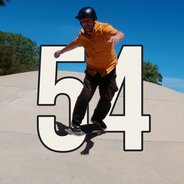
Learning to Skateboard After 50: Patience, Balance & Board Feel.
I’m Raymond Koekemoer. I tried skateboarding briefly in the mid-1990s, couldn’t stay on the board, and gave up—there was no YouTube to teach the basics back then. Today the barriers to entry are much lower, and at age 50 I finally started learning to skateboard properly. This site is where I share plain-spoken notes on learning to skate in midlife, respecting reaction time, and balancing a desk-heavy work week.
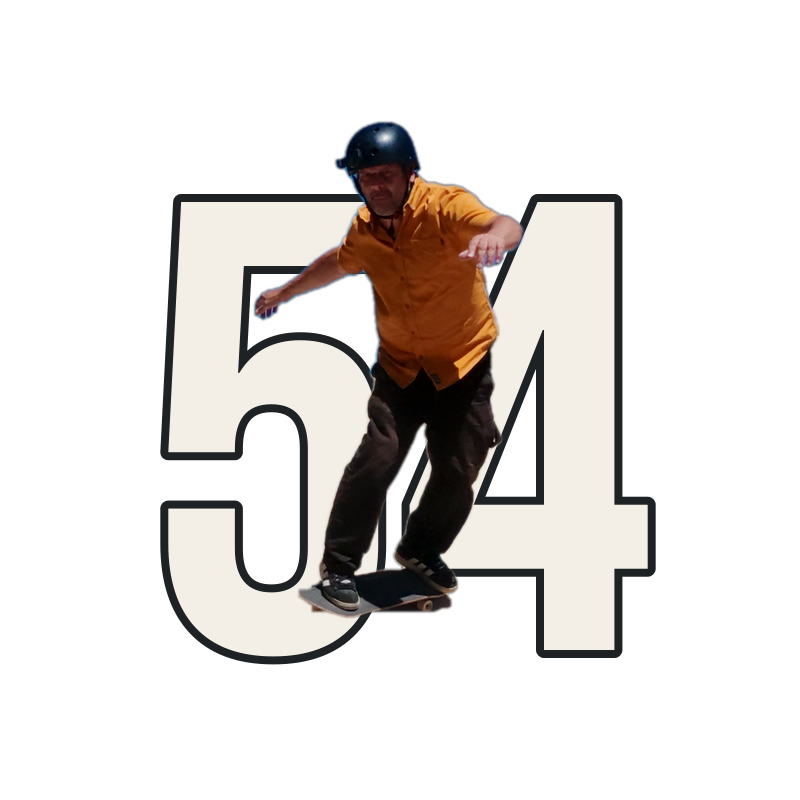
Six Things I’ve Noticed Learning to Skate After 50
When you watch lifelong skaters like Tony Hawk or Rodney Mullen move in their late fifties, it is clear how much balance and coordination they have kept through decades of practice. Starting from zero at fifty is a much humbler road—here is what I have learned along the way.
Respecting the Reaction-Time Gap
In everyday life, we balance at walking speed. On a skateboard, things happen much faster. Before your mind and physical reflexes get used to that pace, skateboarding is much more dangerous. Wearing pads and going slowly at first gives your timing room to catch up.
Giving Small Muscles Time to Adapt
Small muscles in the feet, ankles, shins, and hips work constantly on a board. When I started, they ached after fifteen minutes. Stopping before exhaustion sets in—and resting between skate days—helped me gradually enjoy longer sessions.
Fun and Board Feel Before Tricks
I am not trick-driven. I believe that having fun and feeling comfortable rolling and turning comes first. Out of that steady board feel, better balance and control develop naturally at their own pace without forcing stunts.
Balancing a Left-Brain Work Week
After forty or fifty hours of analytical, screen-heavy work, stepping onto a board asks for a completely different kind of attention. You can’t think about spreadsheets when you are reading a concrete bank; your focus comes right into the moment.
Engineering in Motion
Skaters are constantly judging surface grip, angles, wheel softness, and momentum on an unpropelled board with very small control surfaces. Every park or path is a quiet exercise in practical physics and real-time strategy.
Warmth, Hydration & Daily Rhythm
Staying active in my fifties also changed how I think about food, water, and rest—paying attention to steady daytime hydration, warm cooked meals, and getting proper sleep between active days.
Read the Essays
Plain-language notes on learning to skate at 50, reading surfaces, and what staying active at 54 has taught me about everyday hydration.
Stepping on a Board at 50: What I Noticed About Reaction Time and Patience
In normal life, we balance at walking speed. On a board, everything happens faster. Here is what I noticed about the early danger window, aching foot muscles, and taking rests before you get tired.
A Skateboard Is Not a Toy: Strategy, Surfaces, and Resetting After a Desk Week
Why skateboarding is as much about the skateboard as boxing is about the gloves or ballet is about the shoes—and how judging grip, angles, and momentum clears a desk-weary head.
Still Skating at 54: What Staying Active Has Taught Me About Hydration
Published on my companion site, The Hydrated Gut: personal observations on how skating in my fifties shaped the way I time fluids, warm meals, and rest.
Books on Hydration, Warmth, and Daily Rhythm After 50
Alongside my skateboarding notes, I write books under The Hydrated Gut Project for adults over 50. Each book stands on its own, and all are educational—sharing practical kitchen habits, warmth, and daily timing rather than medical advice.
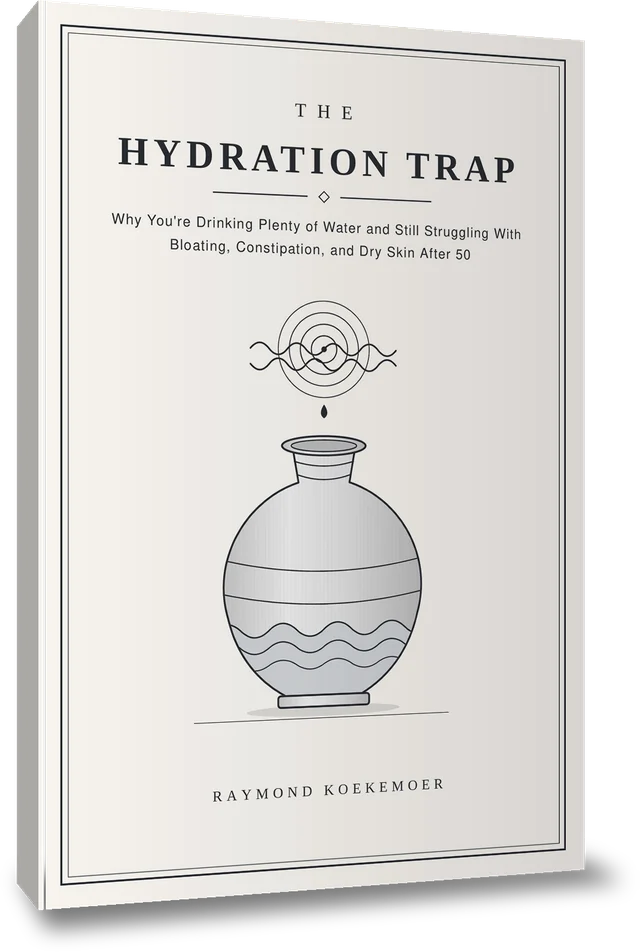
The Hydration Trap
The book that starts the series. It looks at why more water does not always bring comfort after 50, and what warmth, timing, and a little gentle fat may change. It ends with a simple plan you build from your own observations.
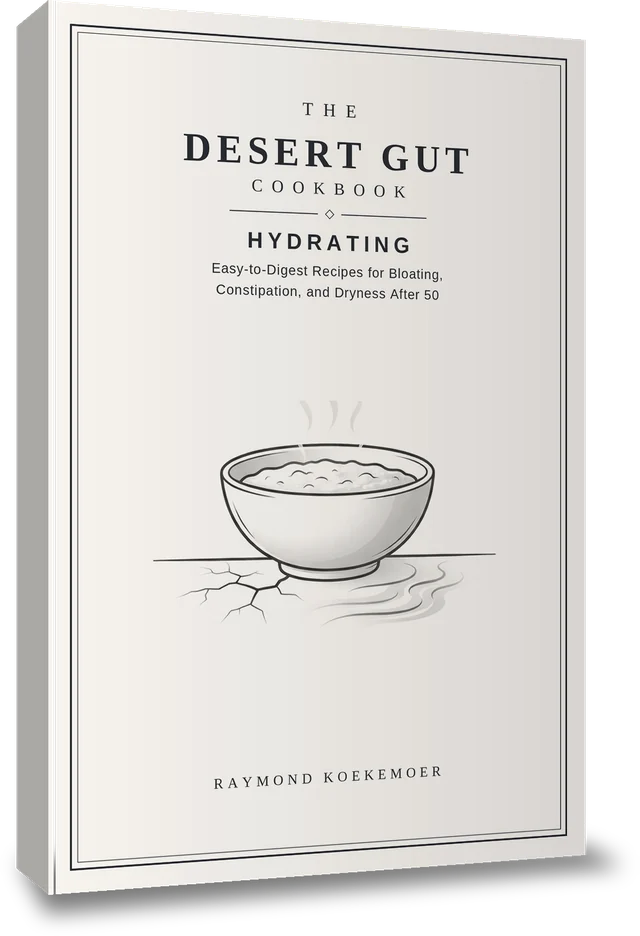
The Desert Gut Cookbook
Eleven soft, warm recipes that put the moisture in the food, arranged around the day: morning, midday, evening, and a few sweet finishes. Every recipe has its own easing-in advice, label check, and safety notes.

The Hydrated Kitchen and Daily Rhythm
Three signature recipes, one for each part of the day, and a simple way to shape meals around morning, midday, and evening.
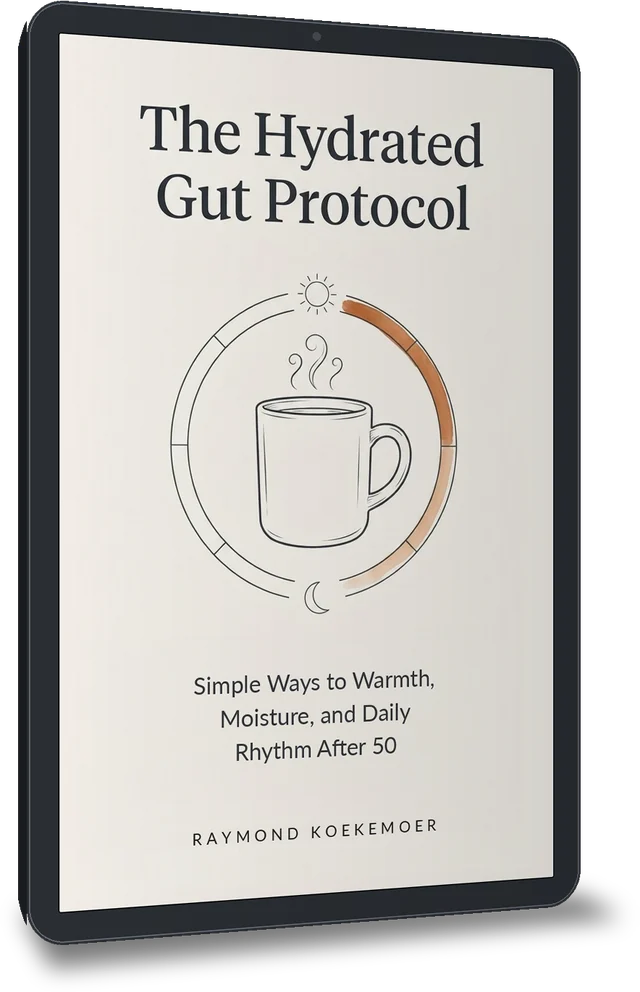
The Hydrated Gut Protocol
A short, practical guide: how to read your body’s signals together, then three everyday levers—drinking earlier in the day, warming one meal, and settling the evening—with a sample day for each and clear safety notes.
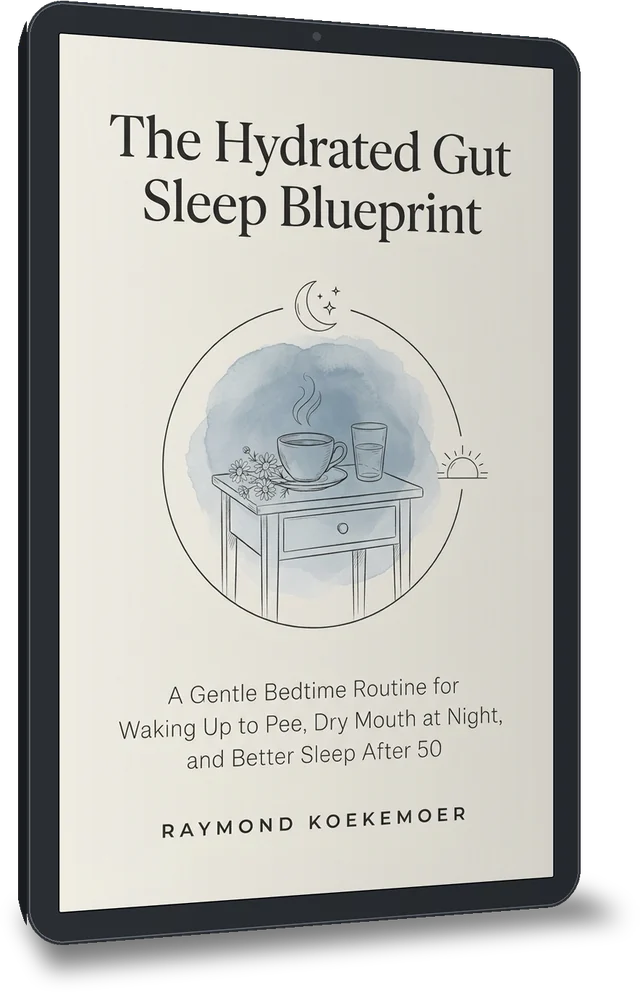
The Hydrated Gut Sleep Blueprint
A short book about the evening: moving most fluids into the day, a lighter and warmer supper, a small warm cup after 8 PM, and a one-page weekly planner to see what your own nights do.
Engineering in Motion: Starting Skateboarding at 50
My upcoming book on learning to skateboard properly at age 50 (after giving up in the mid-1990s before YouTube existed): navigating the early reaction-time gap, choosing forgiving wheels for rough concrete, and putting fun ahead of tricks.
Watch Innovation Skaters
Short, honest episodes about starting skateboarding after 50: reaction time, balance, the body, and the fun of it. Filmed at my local park in South Africa.
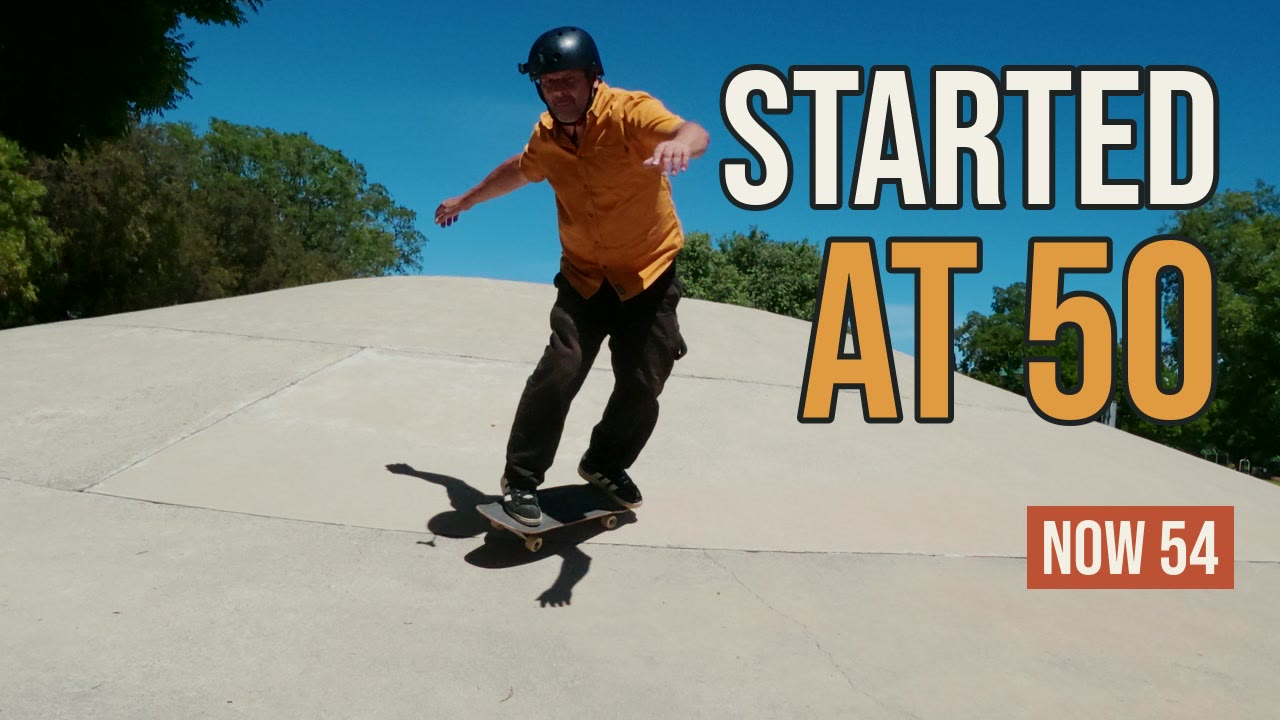 ▶ Episode 01 • 6 min
Why You Should Start Skateboarding After 50 (Even If You’re Scared)
The reaction-time gap that catches most adult beginners, why your feet ache at first, and why fun comes before tricks.
Watch on YouTube →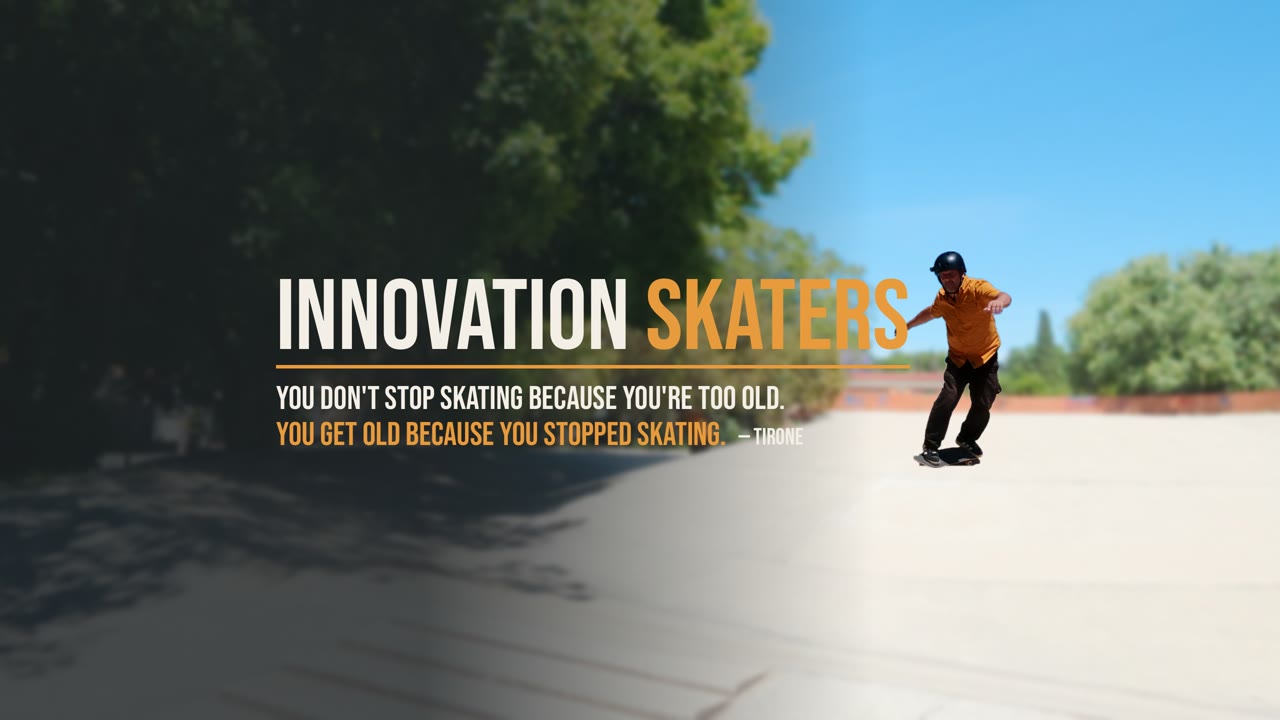 New episodes & Shorts
Subscribe to the Channel
Next up: the three supplements I take (D3, K2 and magnesium), what the research says about skating after 50, and why skateboarders are meditators without realising it.
Subscribe on YouTube →Invite Raymond for a Talk or Podcast Conversation
Available for podcast conversations, workplace talks, and community events on learning new physical skills after 50, patience, and stepping away from desk fatigue.
- Starting From Zero at 50: What learning to skateboard in midlife teaches us about patience, humility, and steady practice.
- Balancing a Desk-Bound Week: Why unhurried outdoor movement and spatial focus are a welcome counterweight to screen-heavy work.
- Engineering in Motion: Looking at a skateboard as an instrument of balance, strategy, and respect for physical limits.
- 🎙️Podcasts Online, worldwide
- 💻Online talks & webinars Workplaces and communities in any country (I’m on SAST, UTC+2)
- 🏢In-person talks Johannesburg & Pretoria
- 🛹Park sessions & filmed interviews At Gauteng skateparks
Flexible, by arrangement. Email with your date, format and audience.